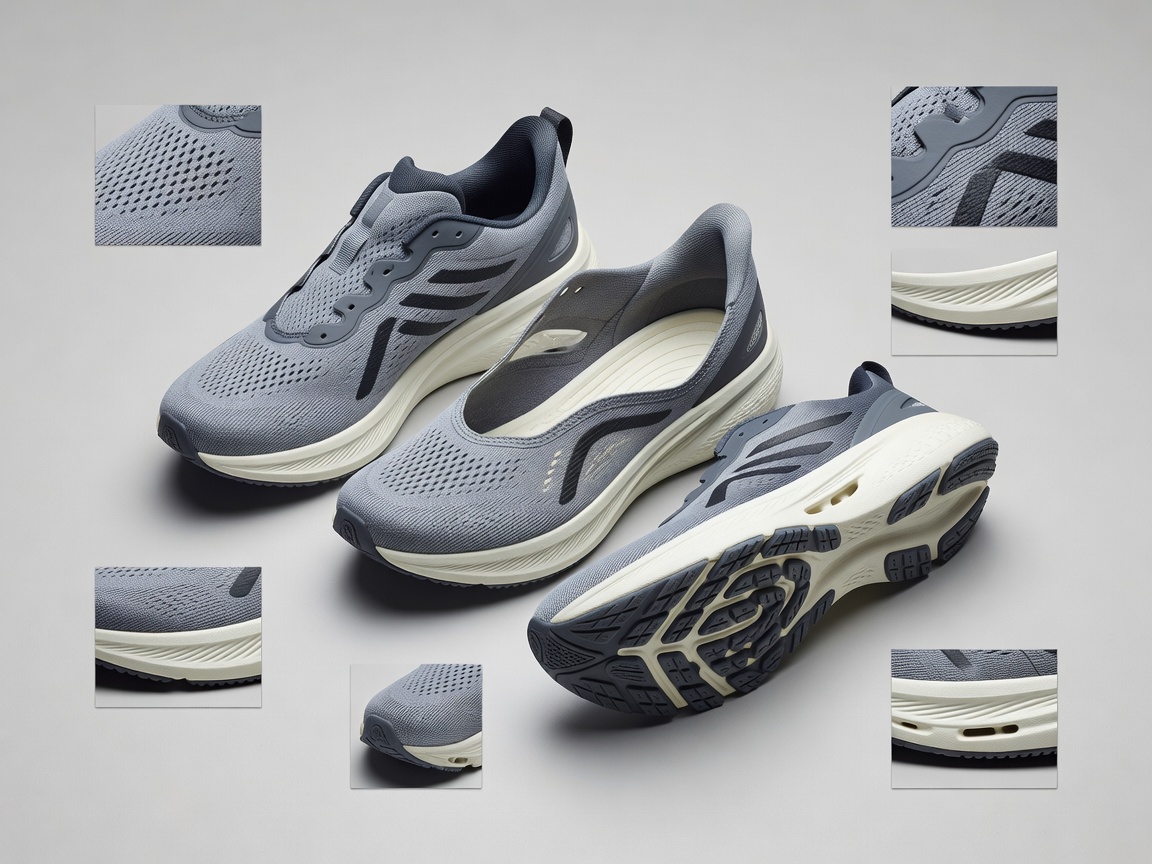
01 / FOOTWEAR · ROAD & TRAIL
Performance Running Shoes
Compare cushioning, stability, grip and fit against your routes, surfaces and personal comfort.
Read the footwear guideTHE PERFORMANCE GEAR ATLAS
Explore modern sportswear, running footwear, cycling equipment, technical fabrics, and the design ideas shaping how athletes train, move, and perform.
FIELD GUIDE / 01—05
Start with the activity and conditions. Then weigh fit, materials, comfort and care—not just the label on the box.
01 / FOOTWEAR · ROAD & TRAIL
Compare cushioning, stability, grip and fit against your routes, surfaces and personal comfort.
Read the footwear guide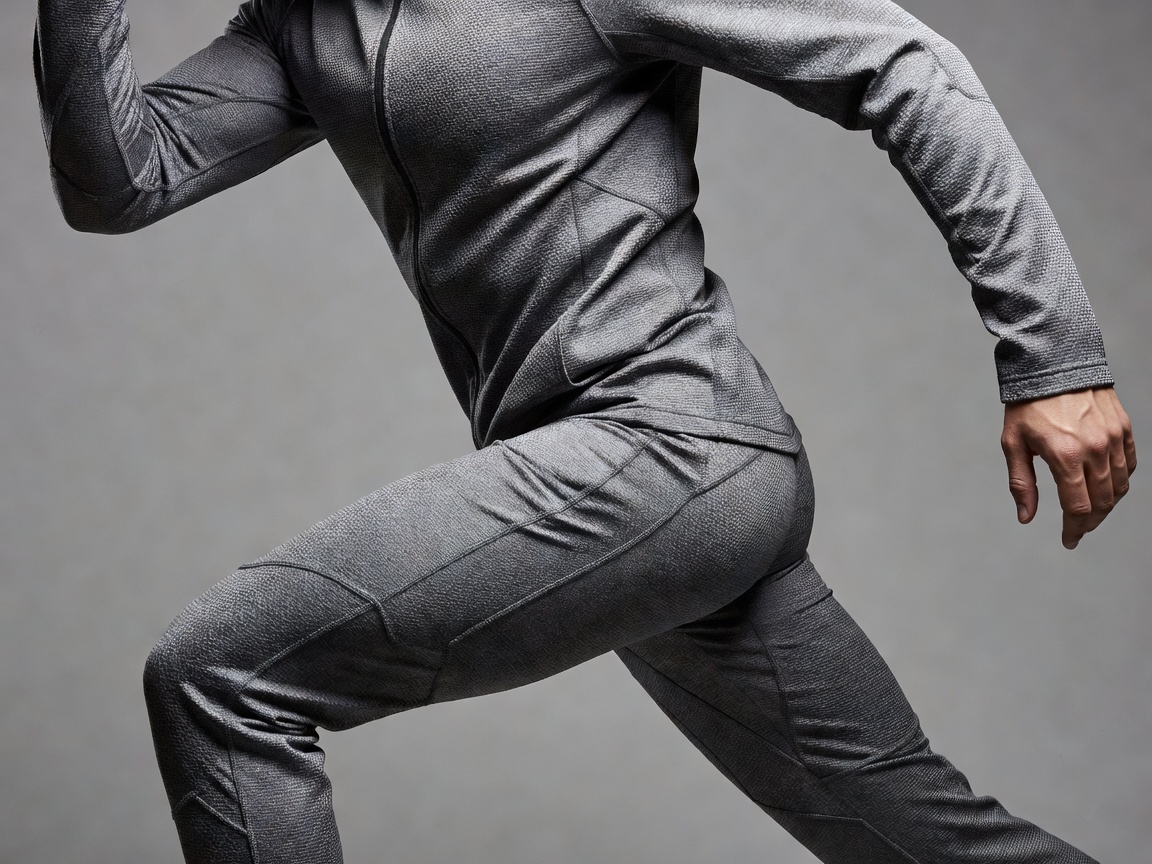
02 / APPAREL · LAYERING
Choose layers and fits around intensity, weather, ventilation and the way you like to move.
Explore apparel choices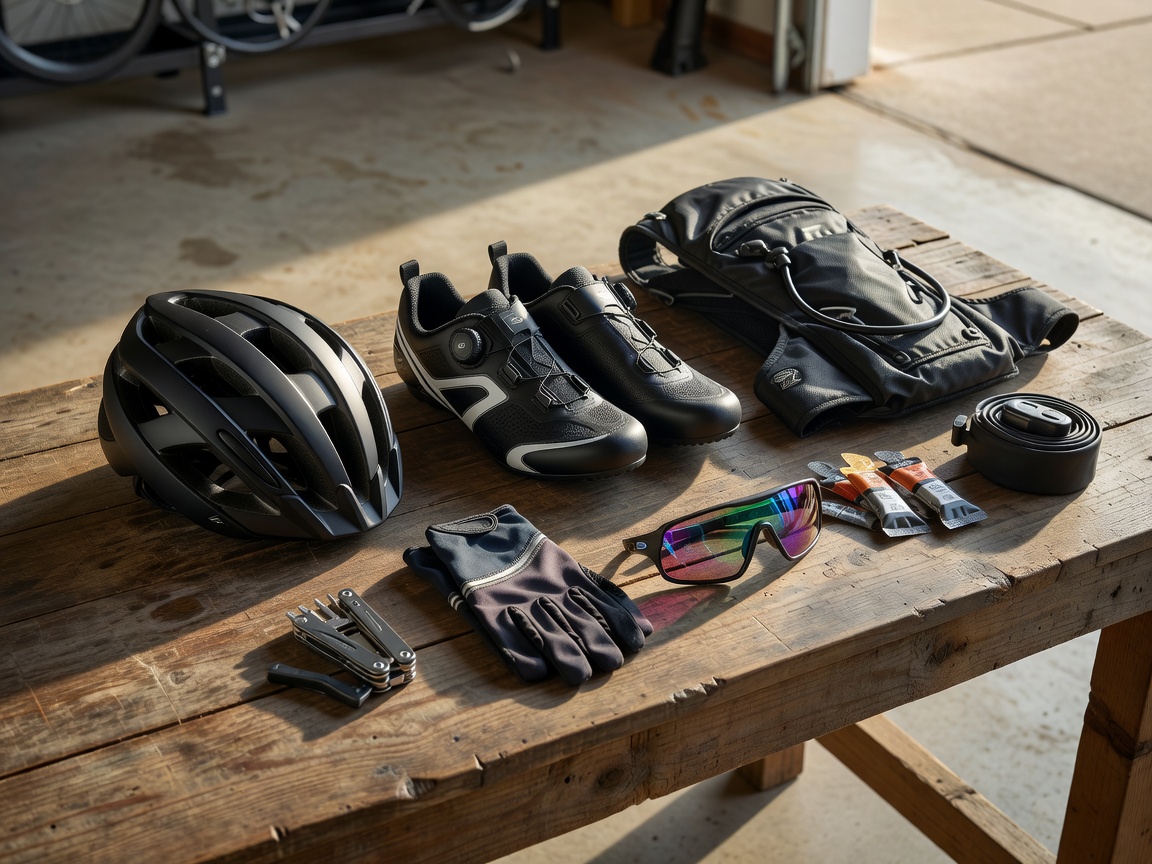
03 / CYCLING · ROAD TO TRAIL
Think through visibility, helmet fit, storage and weather for commuting, road rides and trails.
Plan your riding kit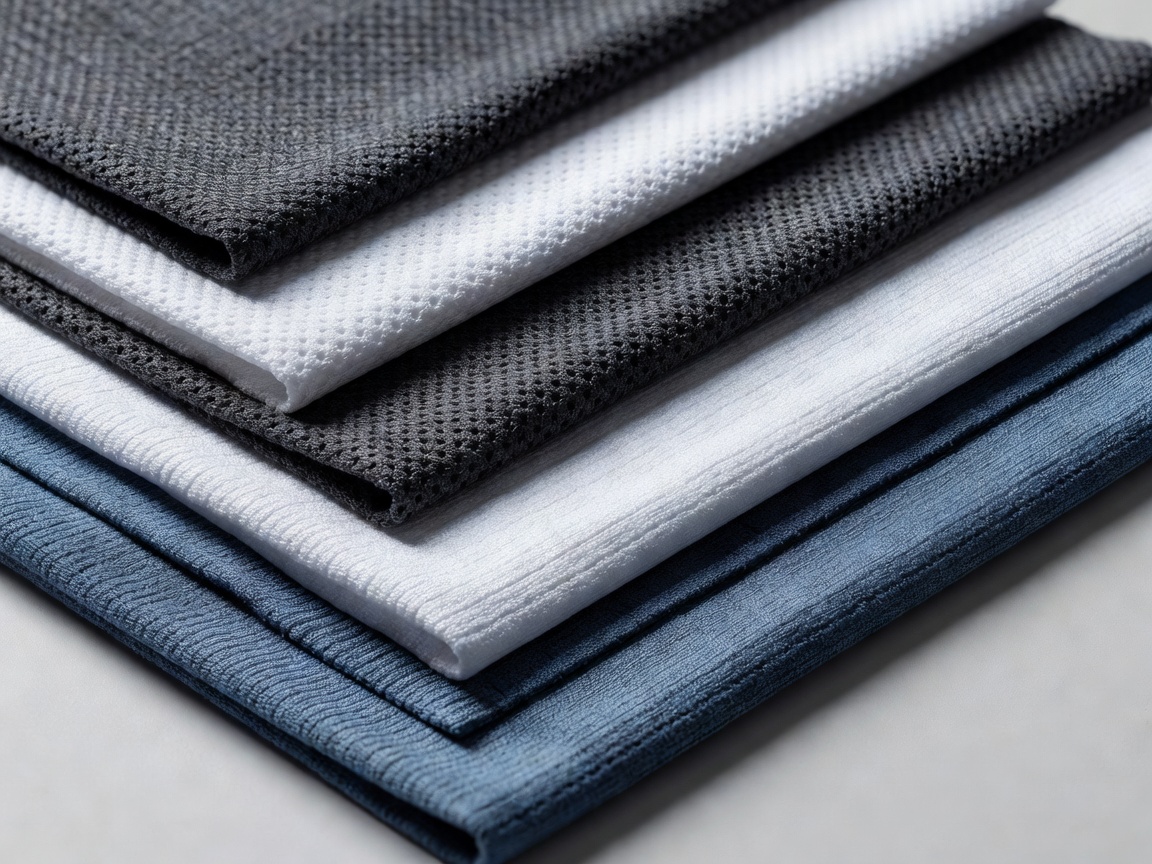
04 / MATERIALS · CONSTRUCTION
Understand textile choices, construction and care—and what recycled or durable really means.
Explore material choices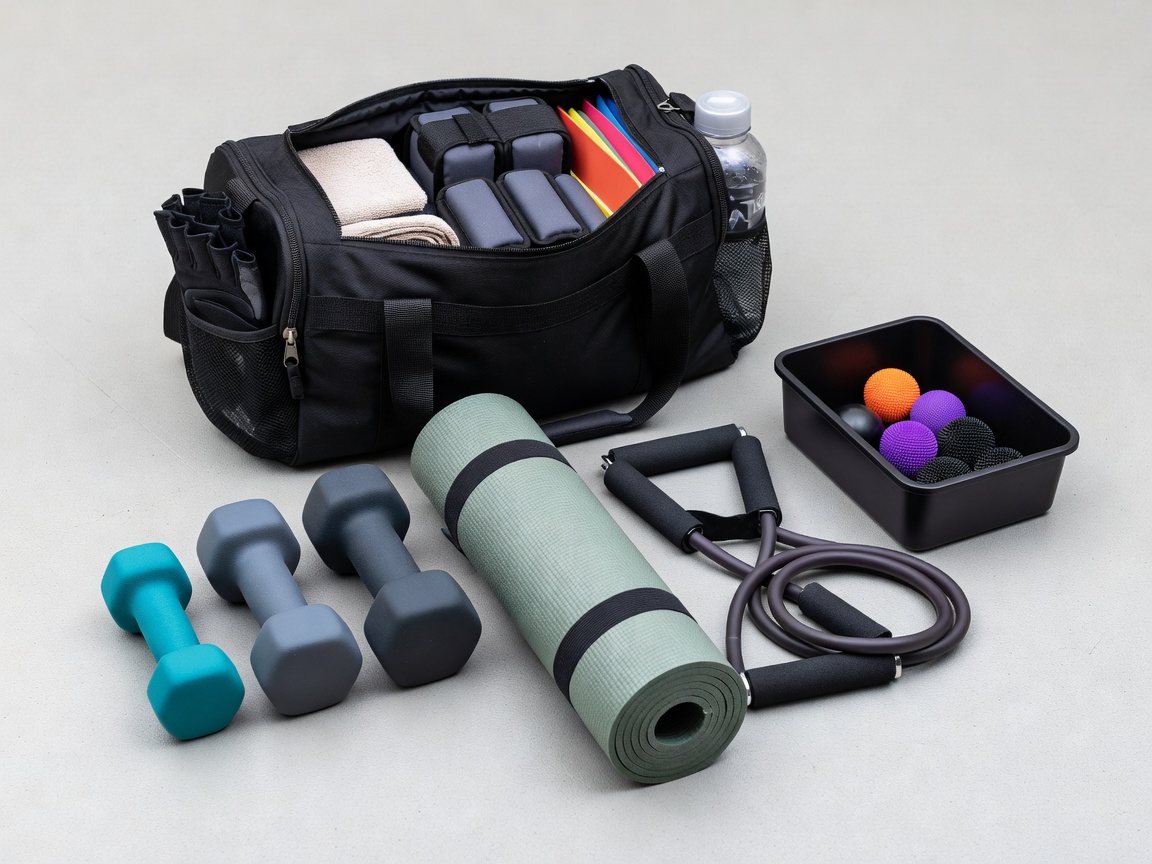
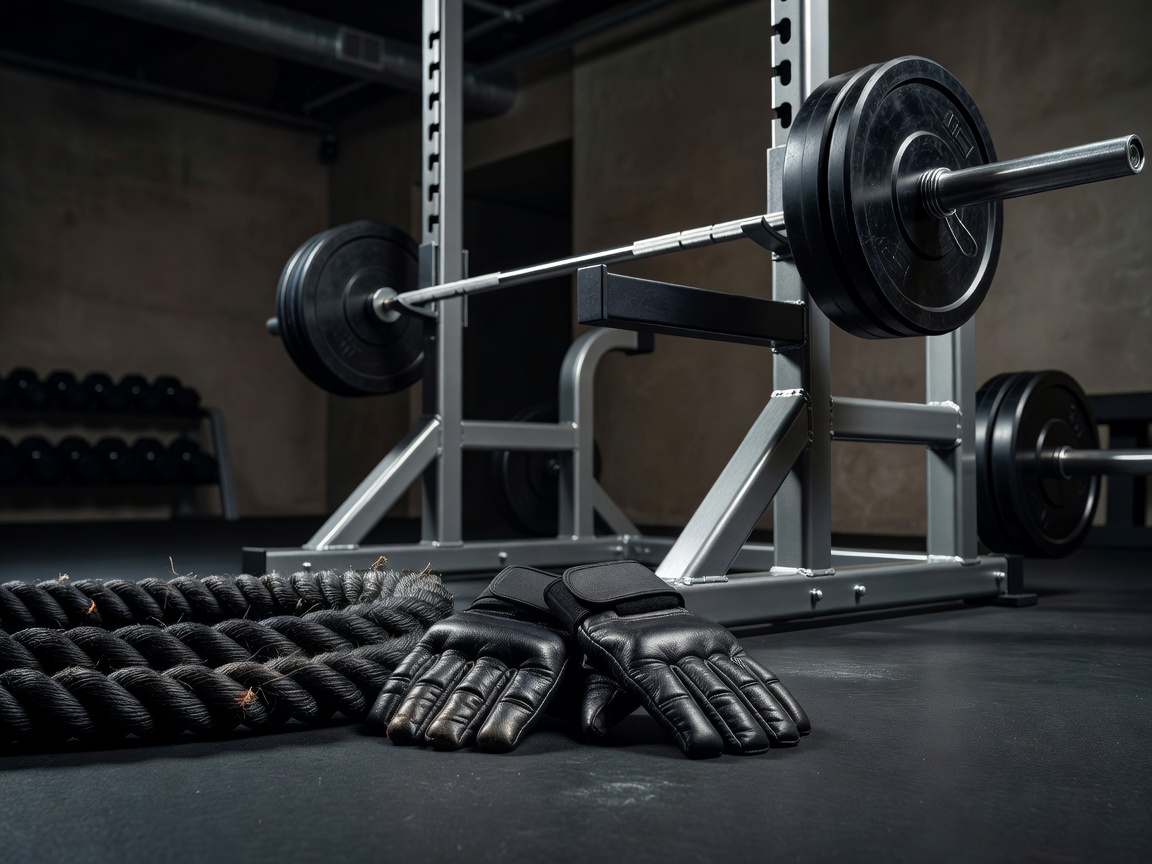
05 / TRAINING · EVERYDAY KIT
Build a useful kit for home, gym and outdoors, with space, portability and maintenance in mind.
Choose practical equipmentA USEFUL DECISION SEQUENCE
Equipment works as a system. A shoe that feels comfortable on smooth paths may not be the right choice for loose trails; a light top may suit a hard indoor session but feel inadequate in wind. Start with the movement and the setting, then look at fit, material, conditions and maintenance.
Experience, climate, session length and personal preference matter. There is no universal kit list. Use guidance as a way to ask better questions, then check care labels, manufacturer instructions and safety advice for the specific item.
DESIGN NOTES / 02
Modern sportswear balances appearance with practical demands: an unobstructed range of motion, comfortable contact points, ventilation where heat builds, and protection suited to the forecast. Seams, panels, closures and pockets all influence how a garment feels in use. Those details can make equipment easier to wear and maintain, but they cannot guarantee a particular athletic outcome.
Look for a design that suits your actual routine. Check whether closures are easy to operate, whether a layer sits comfortably over what you already own, and whether cleaning instructions fit your habits. Good design is specific: useful to the person, activity and conditions it was made for.
Read about materials and construction →