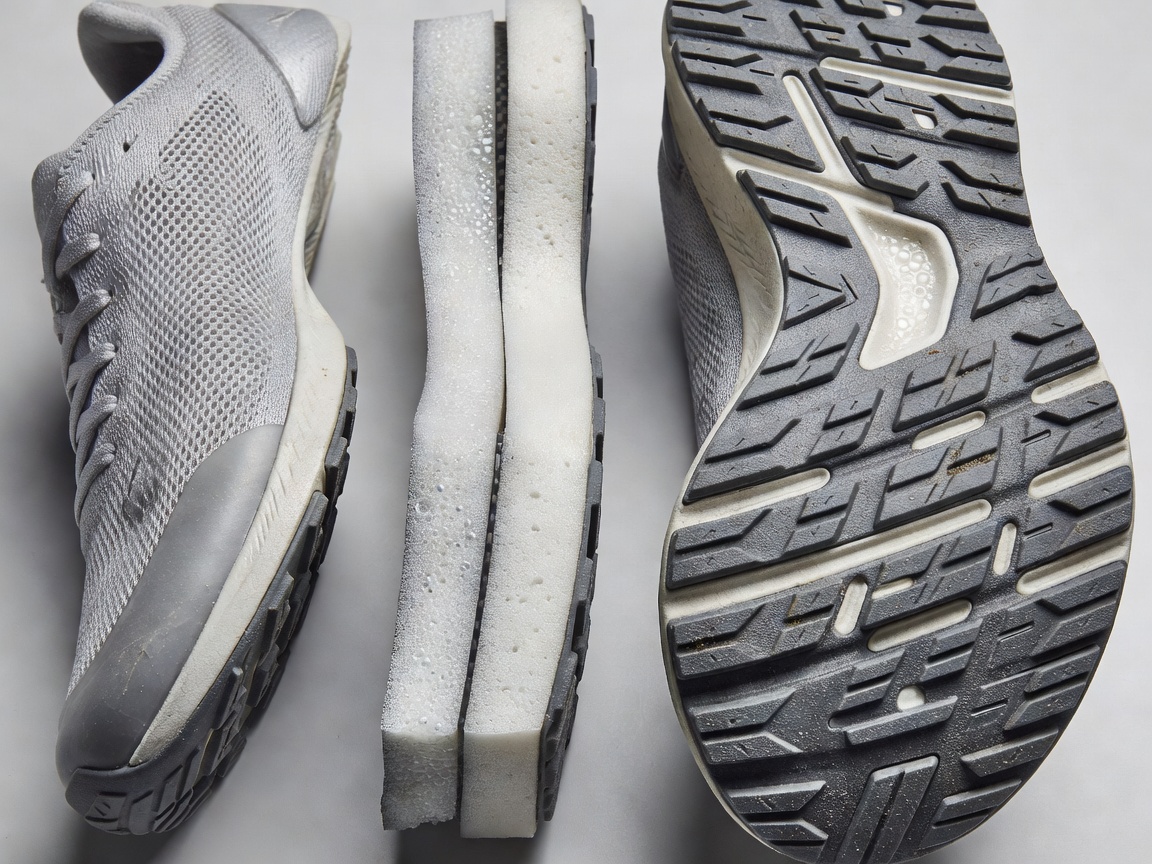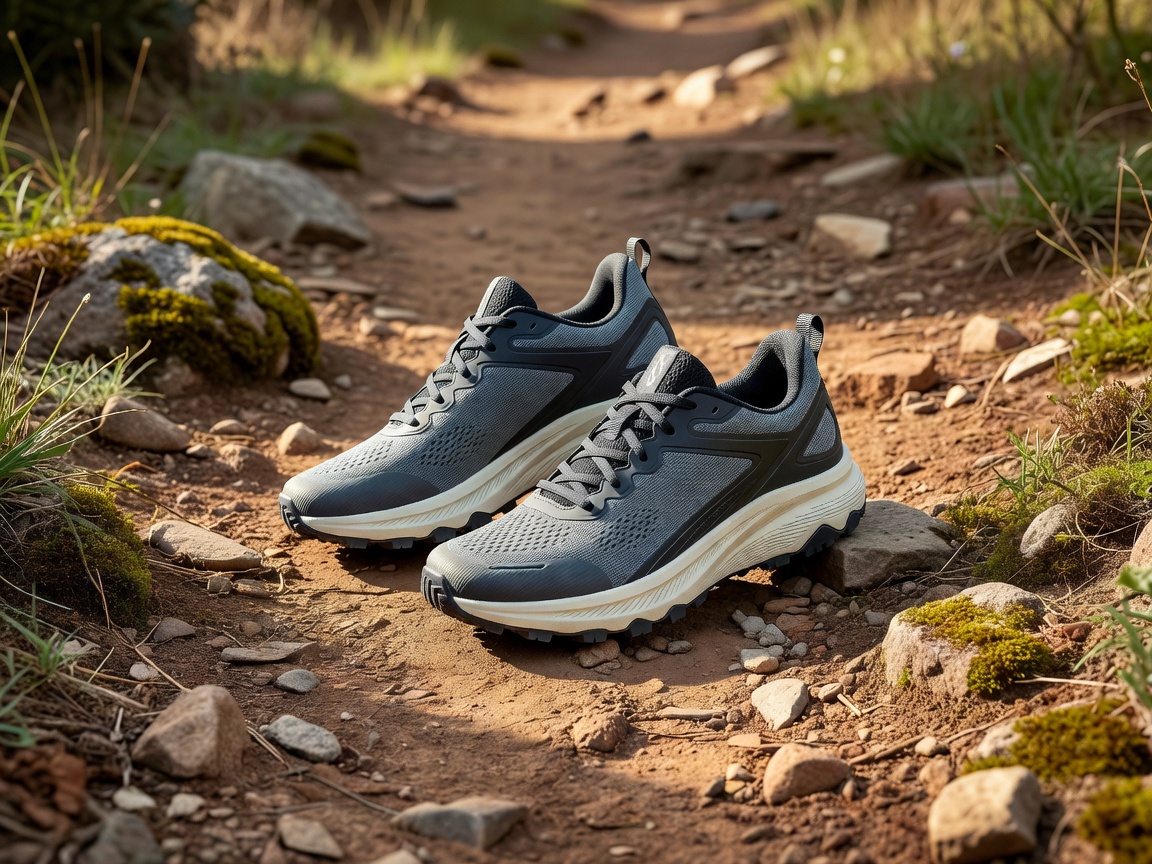
Running footwear combines an upper that holds the foot, a midsole that shapes underfoot feel, and an outsole that contacts the ground. These parts work together, but no category suits every runner. Surface, pace, distance, weather, body comfort and personal preference all influence what feels appropriate. Use product descriptions as clues, not as substitutes for trying a shoe on and considering its intended use.
Cushioning, stability and midsole feel
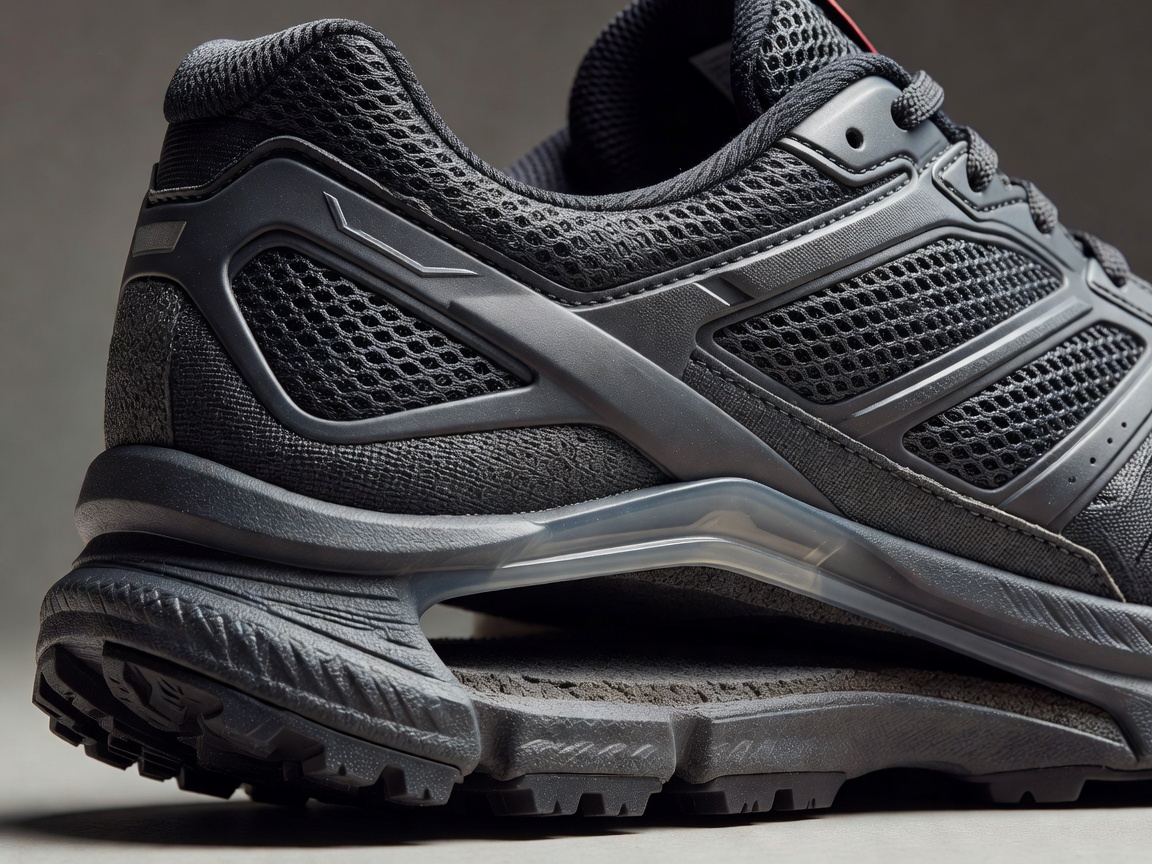
Cushioning describes the underfoot sensation and construction, not a guarantee of comfort or injury prevention. A softer midsole may feel compliant; a firmer one may feel more direct. Thickness, foam properties, geometry and the way the shoe bends all contribute. Stability features can include a broader base, sidewalls or shaping intended to guide the foot. These features vary widely and should not be treated as a diagnosis or a promise of correction. If you have specific concerns about pain or movement, consult an appropriate professional.
Heel-to-toe drop is the difference between the heel and forefoot stack heights. It affects shoe geometry, but does not dictate that a shoe is right or wrong for an individual. Change footwear gradually if you are moving to a notably different shape, and pay attention to comfort during ordinary use.
Road grip versus trail grip
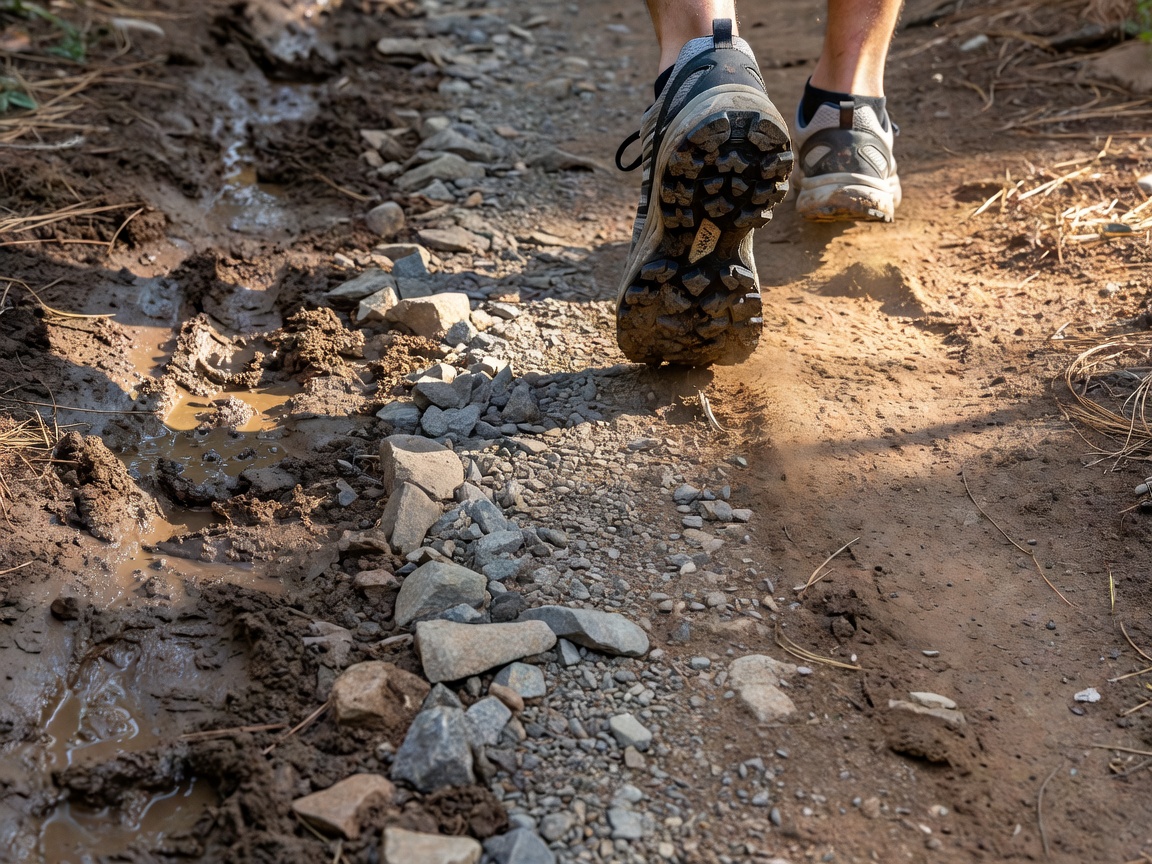
Road shoes generally use a smoother outsole suited to paved surfaces. Trail designs may have more pronounced lugs to engage loose ground, mud or uneven paths. Deeper tread can feel less smooth on pavement, while a road outsole may offer limited purchase on soft or slippery terrain. Rubber placement is a compromise: coverage, compound, flexibility and weight all affect the design. Conditions matter too. Wet rock, packed earth and deep mud are different surfaces, so “grippy” is not a universal property.
For mixed routes, decide which surface dominates and what the less frequent surface demands. A shoe designed for rugged trails may be unnecessary for a mostly paved commute; a road shoe can be an uncomfortable choice for technical, loose ground.
Upper, fit and movement
Uppers use varied knits, meshes and overlays to balance hold, ventilation and protection. More open fabrics can encourage airflow but may admit debris or offer less weather resistance. A reinforced upper may protect against abrasion while feeling warmer or less flexible. Check where seams and overlays sit, especially around toes and the instep.
Fit is personal, but a practical fitting check includes enough toe room for natural movement, a secure heel without harsh pressure and no pinching across the forefoot. Try shoes in the socks you normally run in; consider the time of day and allow for normal foot expansion. Do not assume the same size works across every brand or model. A snug heel should not require an uncomfortable lace tension.
Weight, flexibility and durability
Lighter construction can feel less substantial and may trade away some outsole coverage or protective materials. A more durable build may add weight or feel less pliable. Flexibility depends on the full sole and upper, not just whether a shoe bends by hand. Compare shoes by intended session and comfort instead of treating weight as a standalone score.
Wear patterns can offer clues about use, but they are not a reliable diagnosis of gait. Look for outsole areas that are visibly worn smooth, damaged seams, a loose upper or a midsole that no longer feels consistent to you. Lifespan varies with surfaces, body weight, training volume, storage and construction; there is no universal mileage promise.
A practical comparison checklist
- Identify your primary route: pavement, track, gravel, trail or a mix.
- Try on both shoes and check toe space, heel hold and pressure points.
- Compare cushioning and stability by feel; ignore unsupported outcome promises.
- Consider outsole pattern, wet-weather needs and upper protection.
- Check flexibility, overall comfort and the care instructions.
- Reassess if fit or comfort changes; do not keep using damaged footwear.
Good for
This guide is useful for runners comparing a daily road shoe, a trail option or a versatile pair for mixed routes. It can also help people replace a worn pair by identifying what they valued—secure fit, roomier toes, surface grip or a particular underfoot feel—without assuming a new shoe must match an old model exactly.
What to know
Product labels and specifications differ between manufacturers and may change. We do not rank shoes, publish testing results or claim to have tested specific products. Verify current construction details with the maker, inspect the shoe in person where possible and follow its care instructions. Comfort is individual; no design can guarantee improved performance.
Care that extends useful life
Brush away grit and allow shoes to air-dry naturally after wet runs. Remove the insole if the manufacturer permits. Avoid high heat, harsh cleaners and machine washing unless the care instructions explicitly allow it, since these may affect adhesives or materials. Alternate use only if it suits your routine; it is not a requirement. Store footwear away from prolonged heat and direct sunlight.
For the rest of your kit, read our guides to technical training apparel and sportswear materials. For broader equipment selection, return to the Performance Gear Atlas.