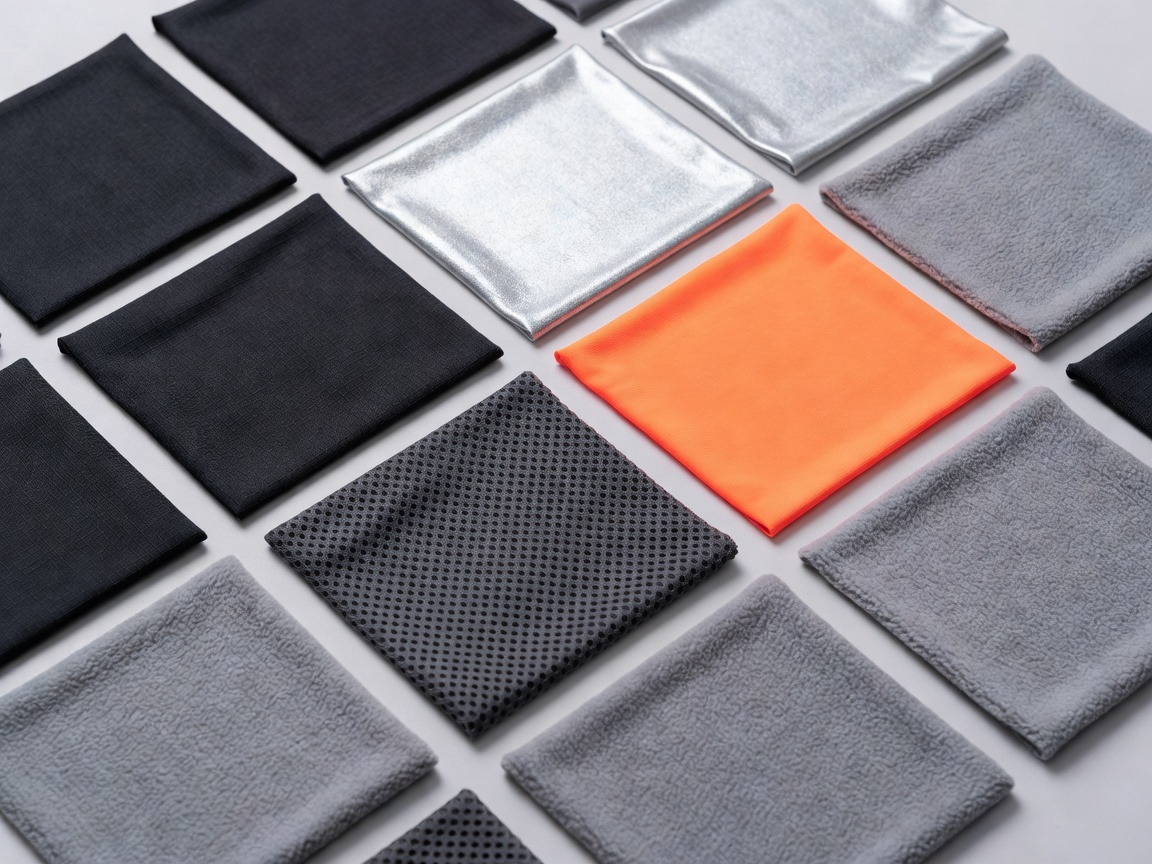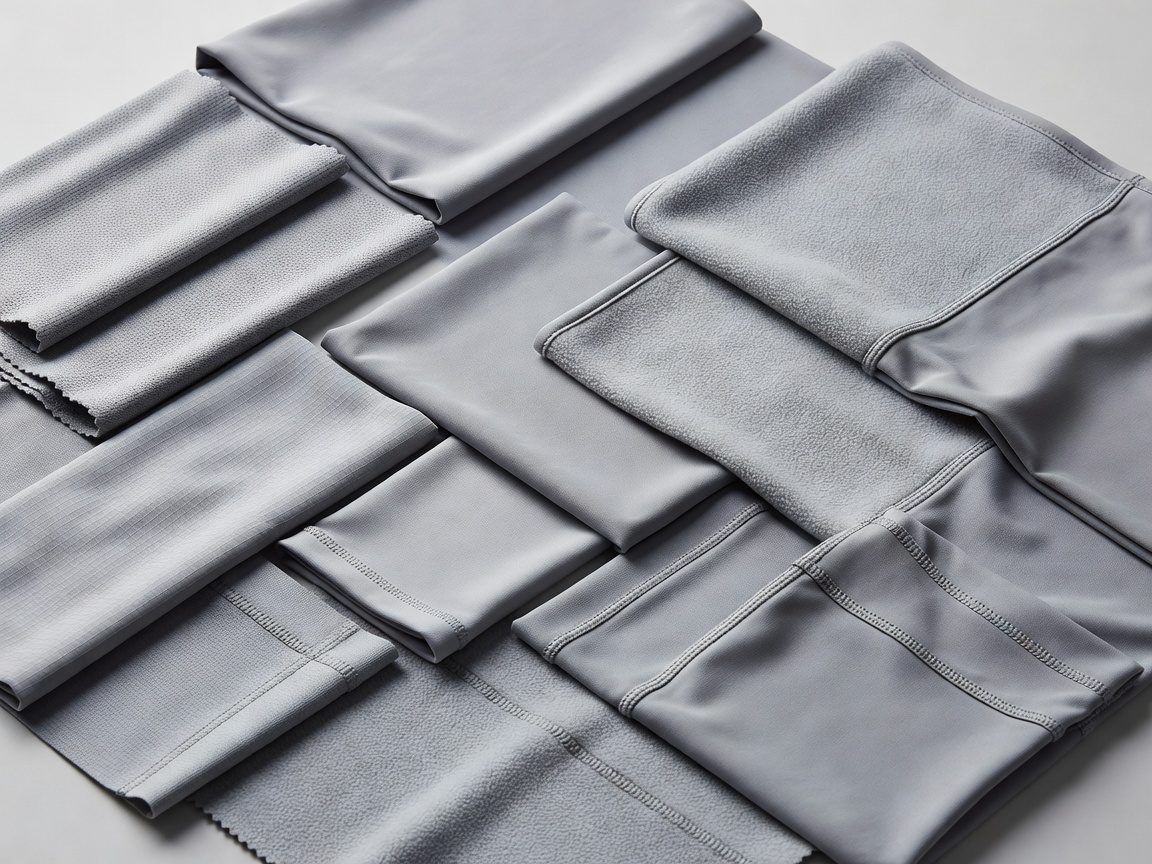
Sportswear materials are systems: fibers become yarns, yarns become fabrics, and fabrics are shaped by finishing, pattern cutting and garment construction. Each stage affects how an item feels, moves, wears and can be cared for. A fiber name can help describe a garment, but rarely tells the whole story. To judge a design, ask how it will be used, how it is assembled and whether it can be maintained over time.
Common fibers and blends
Polyester and nylon are widely used synthetic fibers in athletic textiles. They can be made into many yarns and structures, with differences in hand feel, weight and intended use. Elastane is commonly blended with other fibers to add stretch and recovery. The proportion and knit or weave matter; a stretch label does not explain how a garment behaves after repeated use.
Natural fibers such as cotton can feel familiar and comfortable, while some garments combine natural and synthetic fibers for particular qualities. No fiber is automatically best in every activity. Compare the finished material, construction and care instructions rather than assuming a category alone predicts comfort.
Knits, wovens and mesh
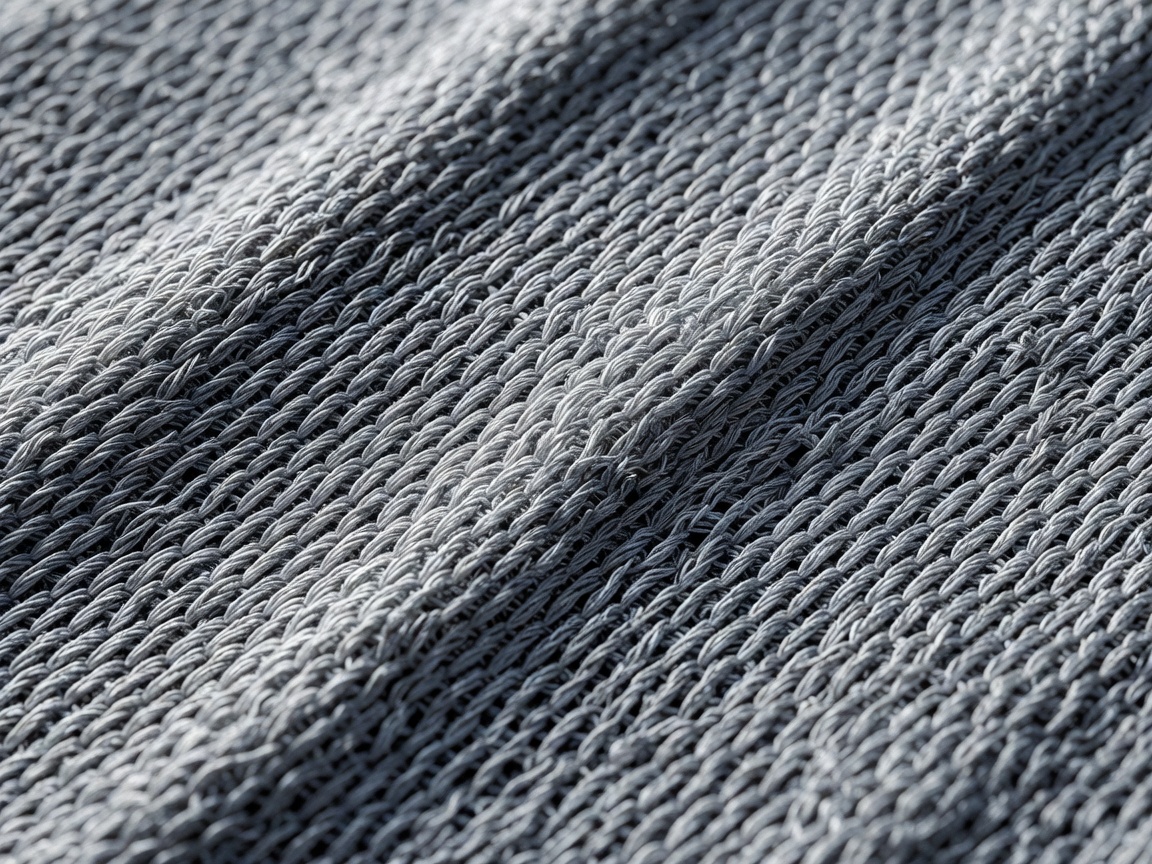
Knitted fabrics form loops and often provide useful stretch; woven fabrics interlace yarns and may feel more structured. Both categories cover a wide range of weights and behavior. Mesh is a structure with openings that can support airflow in selected areas. It can also be more vulnerable to snagging or abrasion. A garment may combine several fabric zones to balance movement, ventilation and coverage.
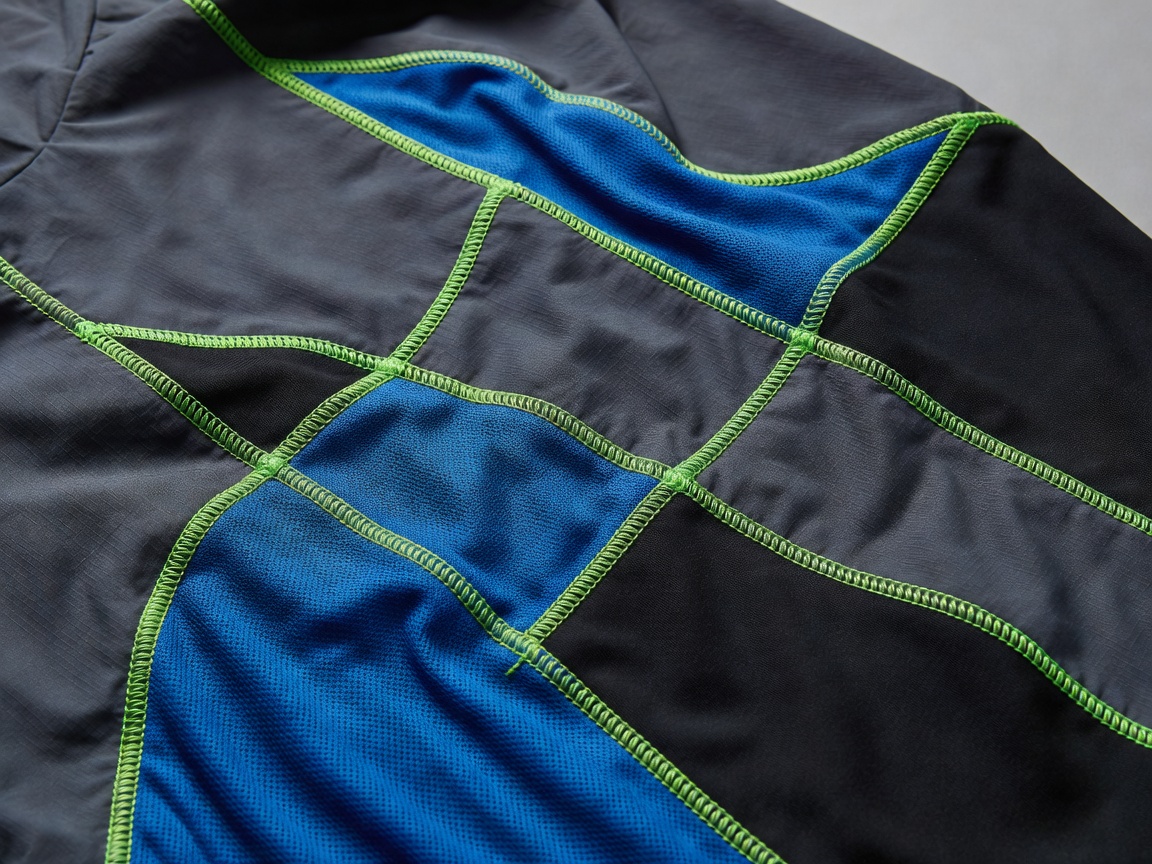
Seams and panels are part of the material story. Stitch type, seam placement and reinforcement influence comfort and durability. A well-planned seam can reduce bulk or strengthen a stress point, while a poorly placed one may rub. Inspect high-friction areas and closures, especially where a garment meets a backpack, shoe or equipment.
Weather treatments and protection
Water-resistant finishes, wind-resistant structures and waterproof constructions are not interchangeable. Treatments may change with laundering and wear, and labels vary. Check the maker's explanation for the specific garment, including how to refresh a finish if applicable. Wind resistance can improve comfort in exposed conditions but may reduce airflow. More protective layers can feel warmer or less flexible. The best balance depends on activity intensity, weather and individual preference.
Recycled, recyclable, biodegradable and durable
These terms describe different things. “Recycled” generally refers to material made using recovered input, but the source, share and traceability need context. “Recyclable” refers to whether an item can enter a recycling route; a theoretical material property does not ensure a suitable collection and processing system exists. “Biodegradable” depends on conditions, time and standards, and should not be assumed to mean harmless disposal in any environment. “Durable” describes useful life under specified conditions, not a guarantee that an item lasts indefinitely.
Ask what portion of a product a claim covers, what evidence supports it and what happens at end of life. Avoid comparing labels without understanding their scope. We do not provide environmental statistics or verify product certifications.
Trade-offs and practical comparison
- Identify the garment's main task: stretch, ventilation, weather protection or abrasion resistance.
- Check fabric composition alongside knit or weave and panel construction.
- Inspect seams, stress points and repair access.
- Read care instructions before buying; frequent special care can affect daily usefulness.
- Ask for the scope and evidence behind recycled or environmental claims.
- Consider whether the item can be repaired, reused or handled at end of life.
Good for
This guide helps readers compare tops, tights, outer layers and accessories when two products make similar claims. It is also useful when assessing whether a new textile offers a practical advantage for your own training rather than a novelty that is difficult to care for.
What to know
Material performance depends on fiber, yarn, construction, finish, garment design, fit, use and care. Newness does not itself demonstrate better performance or lower environmental impact. Check current product documentation and avoid treating recycled, recyclable, biodegradable and durable as synonyms.
Care, repair and useful life
Follow the item's label and avoid assuming all technical fabrics need the same treatment. Wash only as needed, close fasteners, and keep abrasive items separate where practical. Reapply finishes only if the manufacturer recommends it. Repair a small seam or loose hem where safe and suitable. Proper care cannot prevent all wear, but it can help preserve function and make a garment easier to keep in use.
See practical garment advice in technical training apparel, or compare the layers used for cycling gear. For footwear construction, read the running shoe guide.