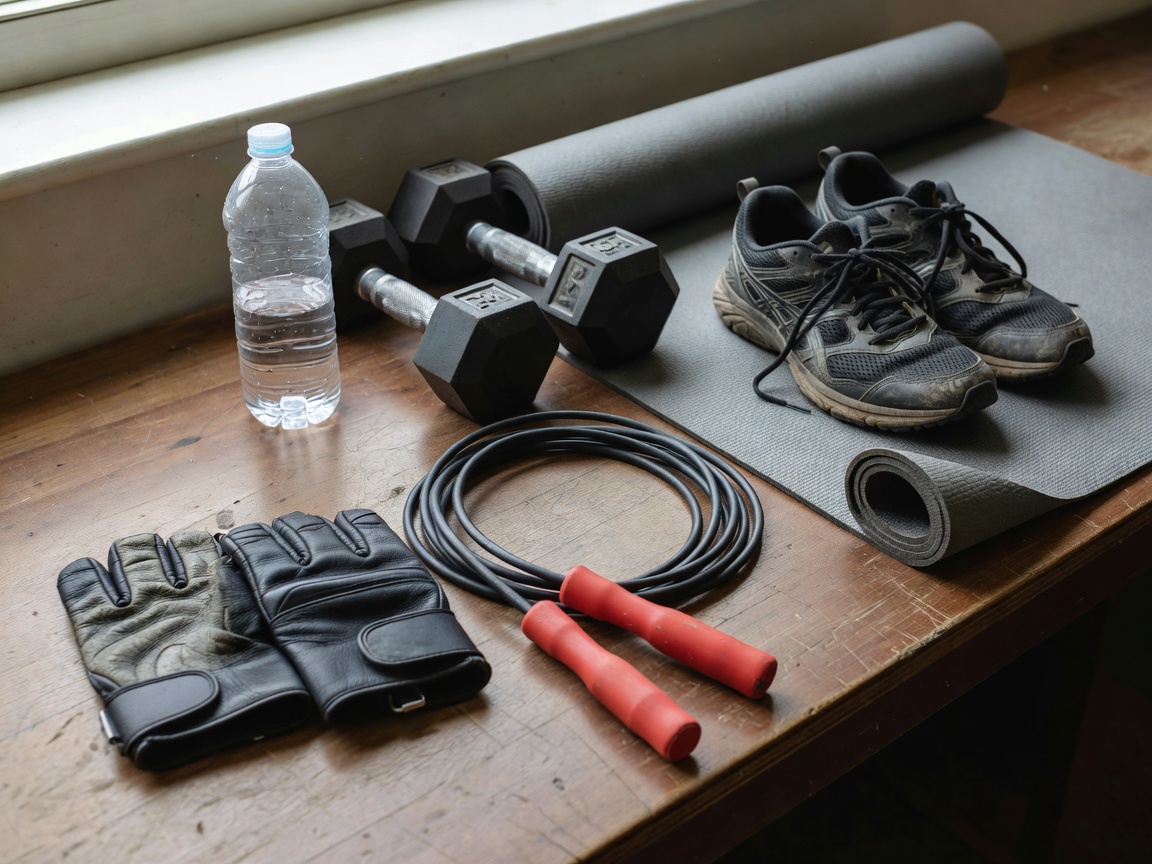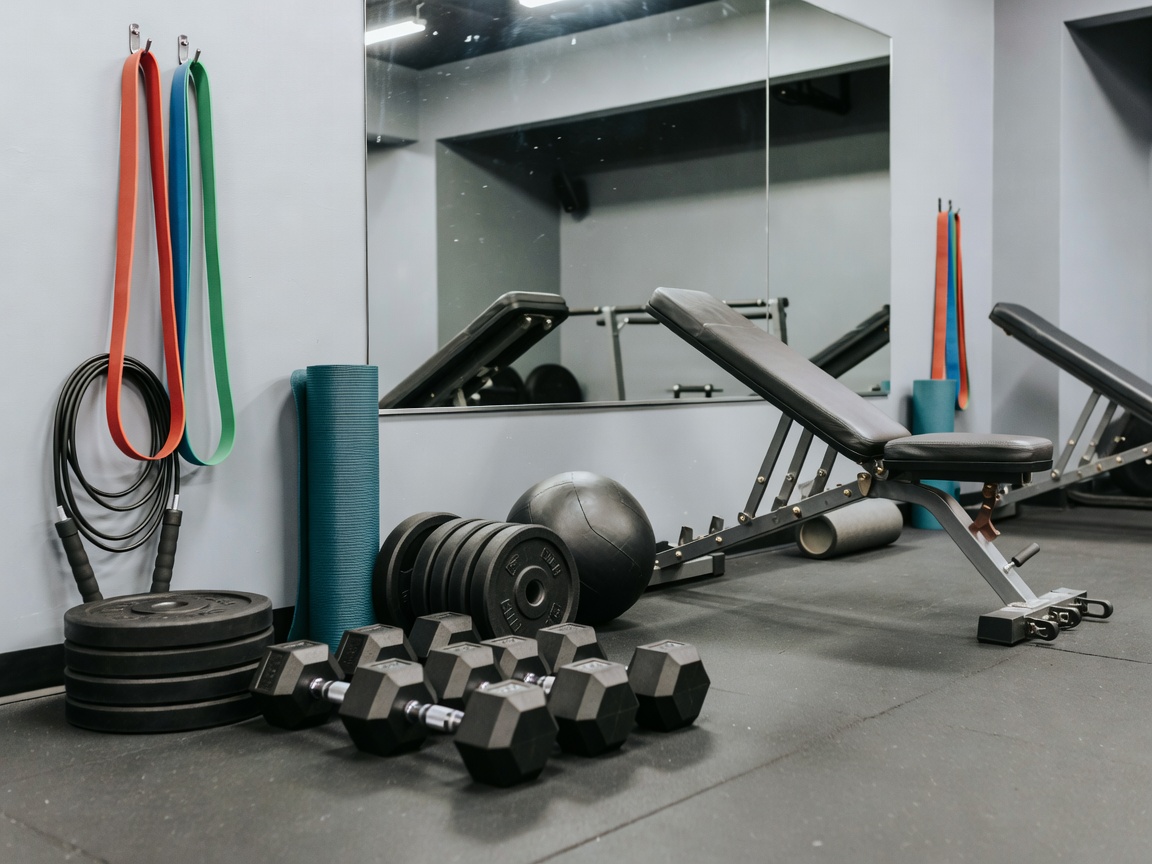
Accessories can make training easier to organize, but a larger kit is not automatically a better one. Start by listing the activities you do, the space available and what you can carry. Consider whether an item will be used often enough to justify its storage needs. Check its intended use, capacity and maintenance instructions rather than choosing solely by appearance.
Portable training tools
Resistance bands are compact and adaptable, but materials, attachment points and intended resistance differ. Inspect them for tears, cracks, worn handles or damaged anchors before use. Follow the manufacturer's instructions and avoid stretching a band beyond its stated use. Do not attach it to an unstable object or position it where a recoil could cause injury.
Skipping ropes take little storage space and need a suitable surface and overhead clearance. Rope length and handle design influence handling; choose a setup that suits the user and environment. Mats provide a defined surface for floor-based work, but thickness, grip and dimensions vary. Check whether a mat lies flat, resists unwanted movement and can be cleaned as needed.
Bags, hydration and organization
A gym bag should suit the equipment you carry and the way you travel. Look at opening access, separate storage, strap comfort, material cleanability and whether wet items can be kept apart. A compact bag may be easier to carry but leave little room for bulky footwear or layers. A larger bag can collect unnecessary weight. Try packing the items you use most before settling on a size.
Hydration equipment depends on session length, temperature, activity and available refill points. Consider how a bottle or reservoir is carried and cleaned. Follow the manufacturer's instructions for valves, seals and cleaning, and do not use damaged containers. Hydration needs are individual; seek appropriate professional guidance if you have specific health needs.
Recovery accessories and sensible expectations
Foam rollers and other recovery accessories are commonly used as part of personal routines. Their effects and suitability vary, and they are not medical treatment. Use products only as directed and avoid applying pressure to areas where the manufacturer warns against it. Stop if an activity causes pain, numbness or other concerning symptoms; seek qualified advice when needed.
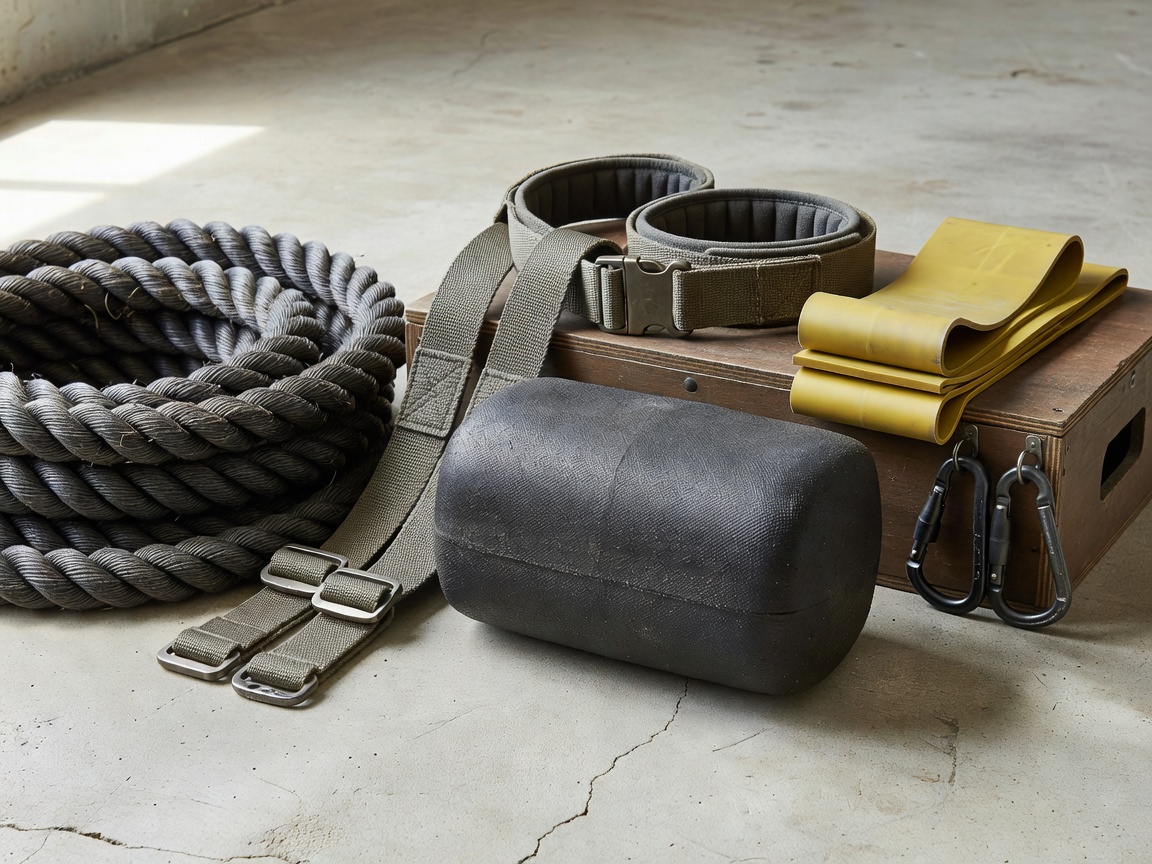
Portability and setup time matter. Small, light equipment is easier to transport but may be less adjustable or robust than a larger fixed option. Larger gear can be more stable for its intended task but needs safe storage, clear space and regular inspection. Avoid improvising attachments or loads that the equipment was not designed to handle.
Home, gym and outdoor requirements
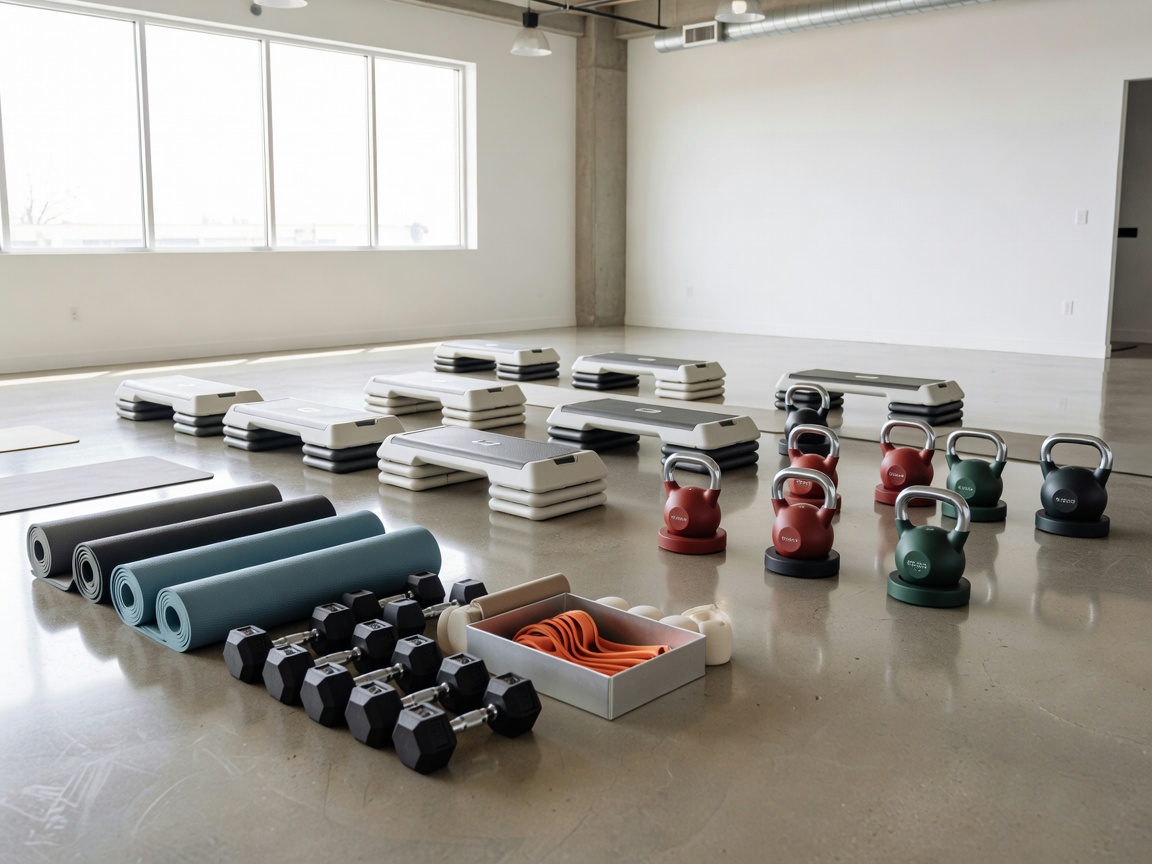
Home training rewards compact storage and quiet setup. Measure the area you can safely use, including room to move around the equipment. In a gym, portability and quick transitions may be more valuable; shared equipment also calls for considerate cleaning and storage. Outdoor training adds surface, weather and transport questions. Keep equipment away from hazards, inspect it after exposure to moisture or grit, and avoid leaving materials in conditions that may degrade them.
Practical equipment checklist
- Home: define a safe movement area, storage location and cleaning routine.
- Gym: choose portable essentials, keep belongings organized and follow facility rules.
- Outdoor: consider weather, surface, transport and visibility where relevant.
- Every setting: check condition, intended use, stability and manufacturer instructions.
- Choose fewer versatile items if they meet your needs and can be stored safely.
Good for
This guide is useful for assembling a starter kit, deciding between portable and fixed equipment or reducing clutter. It is also a reminder to include care and transport in the decision, rather than thinking only about what an item does during a workout.
What to know
Equipment varies in design, load limits, materials and intended use. Follow manufacturer instructions and do not rely on general guidance as a replacement for product directions. We do not provide medical advice, product specifications, prices or performance claims. Avoid using damaged equipment.
Cleaning and storage
Wipe shared or frequently handled equipment according to its material and care guidance. Let items dry fully before packing them away, particularly fabric bags, mats and hydration accessories. Keep elastics away from prolonged heat and sunlight if the maker recommends it. Inspect stitching, handles, closures and surfaces regularly. Replace an accessory if its structure or safe function is uncertain.
For clothing to use with a compact kit, see technical training apparel. Learn how material construction affects equipment in our materials guide, or compare footwear for outdoor sessions with the running-shoe guide.