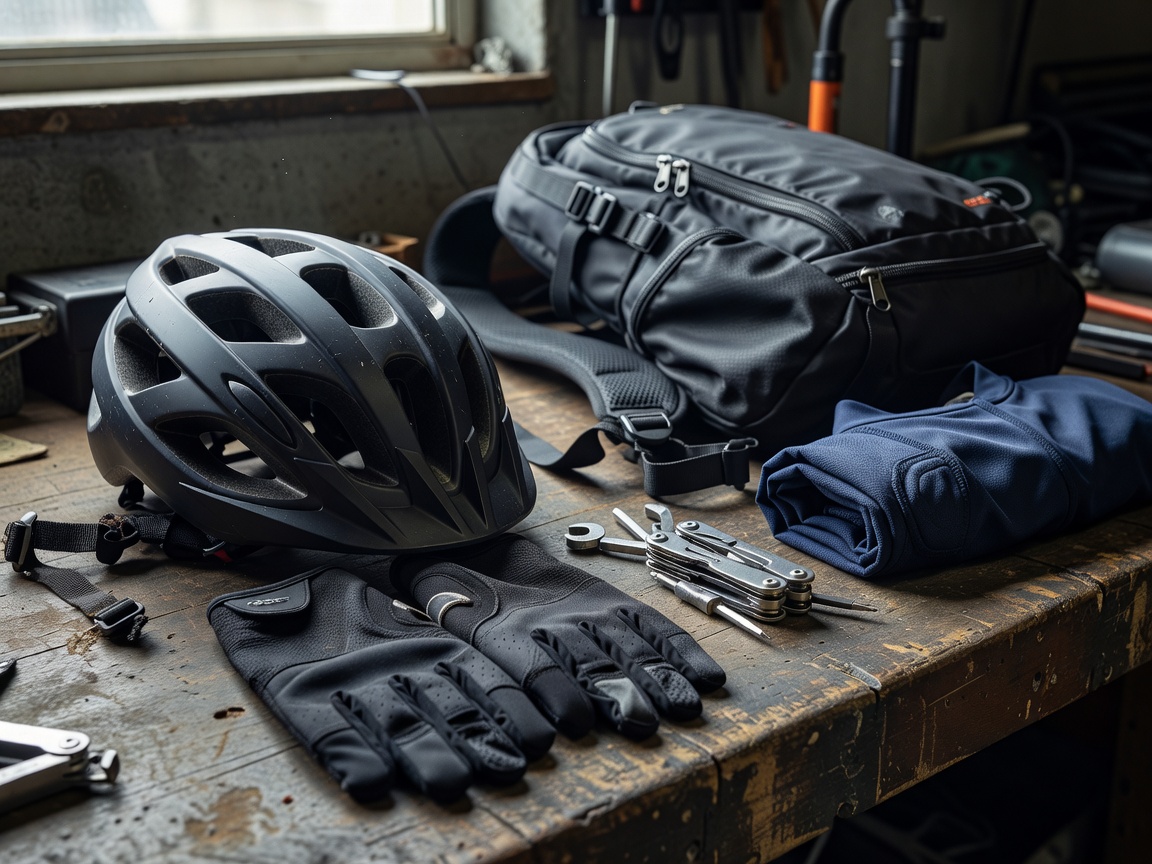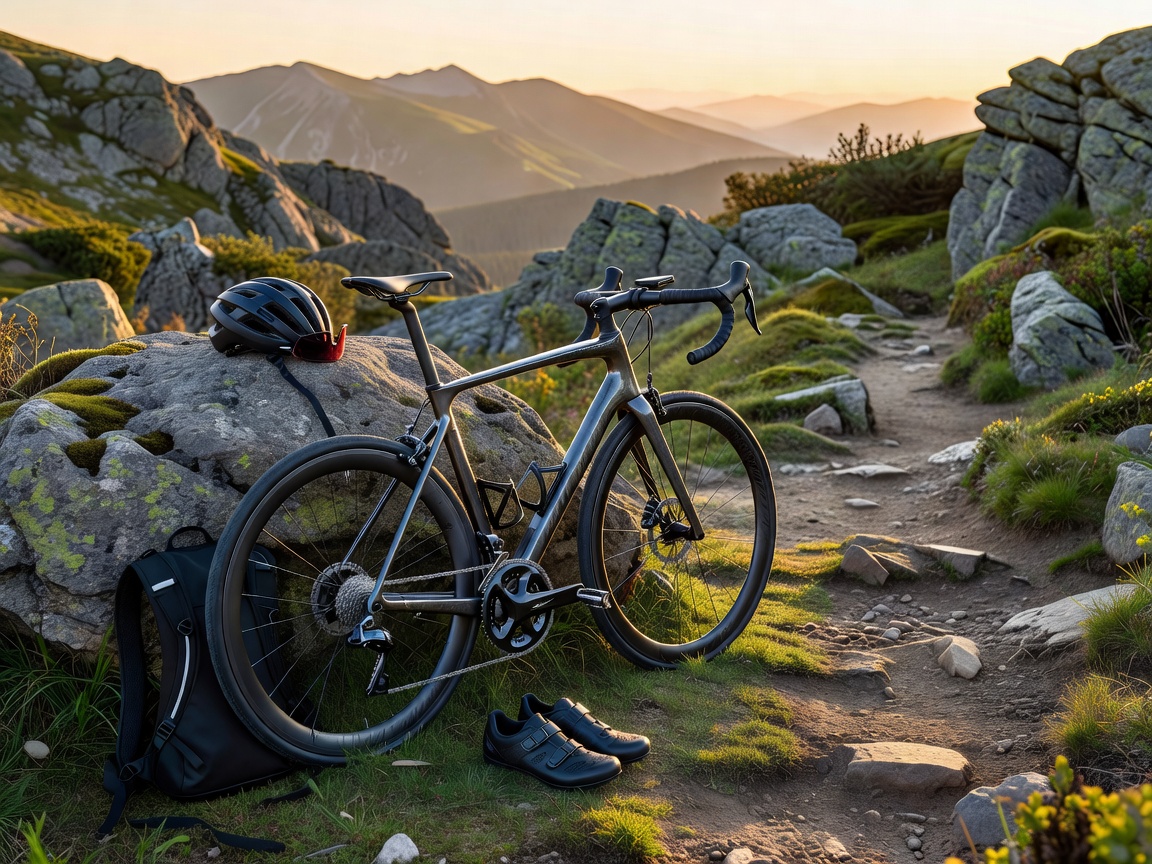
Cycling gear is shaped by riding position, duration, terrain and exposure. A road ride, a short urban commute and an off-road route place different demands on apparel, storage and protection. Some riders prioritize a close fit and low bulk; others need clothing that works off the bike or bags that carry work essentials. Think about the ride you actually do, then check the fit and compatibility of each component.
Clothing for different rides
Road apparel often uses a more fitted cut to reduce loose fabric in a forward riding position. Pockets, cuffs and hems are placed with that posture in mind. Mountain-bike clothing may offer a roomier feel and more coverage for varied movement and contact with trail vegetation. Commuting garments often balance weather protection, visibility and practicality away from the bike. These are broad tendencies, not rules: comfort and local conditions should guide your choice.
Layering helps manage changing weather. A light wind-resistant layer may be easy to carry, while a rain shell may require more careful attention to breathability and ventilation. A water-repellent finish is not automatically a waterproof construction. Review current manufacturer guidance and consider how a garment feels when cycling rather than standing still.
Helmet fit and protective equipment
A helmet should be selected and fitted according to its intended use, manufacturer instructions and applicable official safety guidance. Check that it sits level and secure as directed, that the adjustment system works and that straps are positioned correctly. Fit can vary between shapes and models. Never rely on appearance alone or alter the helmet in ways the maker does not permit. Replace equipment after an impact or when the manufacturer recommends it, and consult the instructions for storage and care.
Gloves can support grip and help manage comfort, while eyewear can reduce exposure to wind, dust or bright conditions. Fit matters: gloves should not bunch or limit control, and eyewear should remain secure without obstructing vision. These items need to work with your helmet and riding position.
Visibility, lights and carrying
Visibility needs depend on route, light, traffic, weather and local rules. Choose lights and reflective details appropriate to your use, and follow device instructions for mounting, charging and operation. Check relevant official guidance wherever you ride; this guide does not make legal or certification claims.
Storage options include pockets, small bags and bike-mounted systems. A bag that works for a commute may be unnecessary on a short recreational ride. Confirm mounting compatibility, clearance and load security. Keep tools and other carried items from interfering with steering, braking or visibility. For longer rides, plan hydration access and carry capacity around distance, weather and available stops.
Repair and compatibility essentials
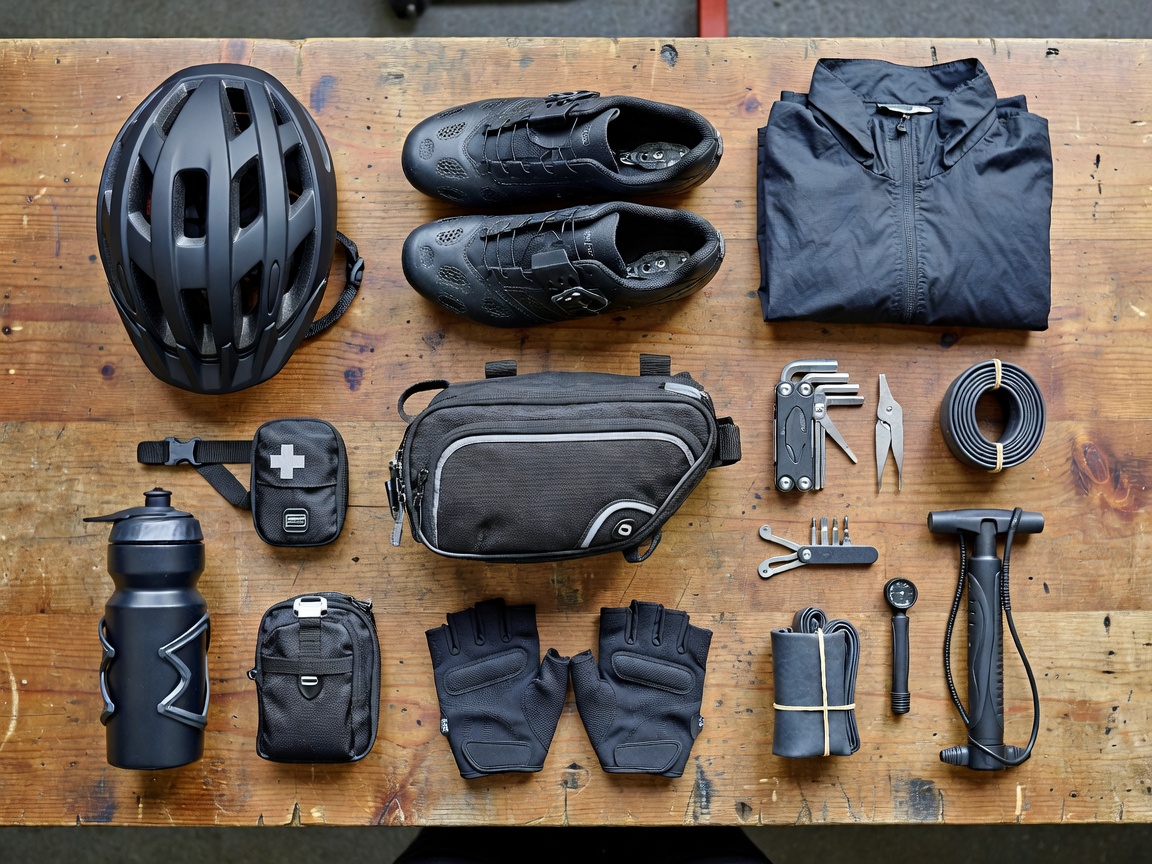
A small repair kit can be useful, but contents depend on the bike, route and the rider's ability to use them safely. Learn the intended use of every tool and follow its instructions. Check compatibility before purchasing a replacement component or mounting accessory: attachment standards, frame clearance and system design differ. Never assume a generic part fits every bicycle. A pre-ride check of tires, brakes, fasteners and lights can help you notice obvious issues; qualified maintenance may be appropriate for repairs beyond your ability.
Road, commute or off-road?
- Road: consider riding-position fit, secure storage, weather layers and comfort over time.
- Commuting: plan visibility, practical clothing, dependable carry and protection from forecast conditions.
- Off-road: consider coverage, eyewear, secure equipment and the terrain's demands.
- Every ride: confirm fit, mounting compatibility, care needs and local safety guidance.
Good for
This guide is for riders assembling a first kit or adapting existing equipment to a different style of ride. It helps identify the practical questions to ask before adding apparel, storage, lights, gloves or accessories.
What to know
Specifications, legal requirements and safety guidance can change and differ by location. Check current official guidance and manufacturer instructions, especially for helmets, lights and compatibility. We do not publish product rankings, certification claims or current prices.
Comfort on longer rides
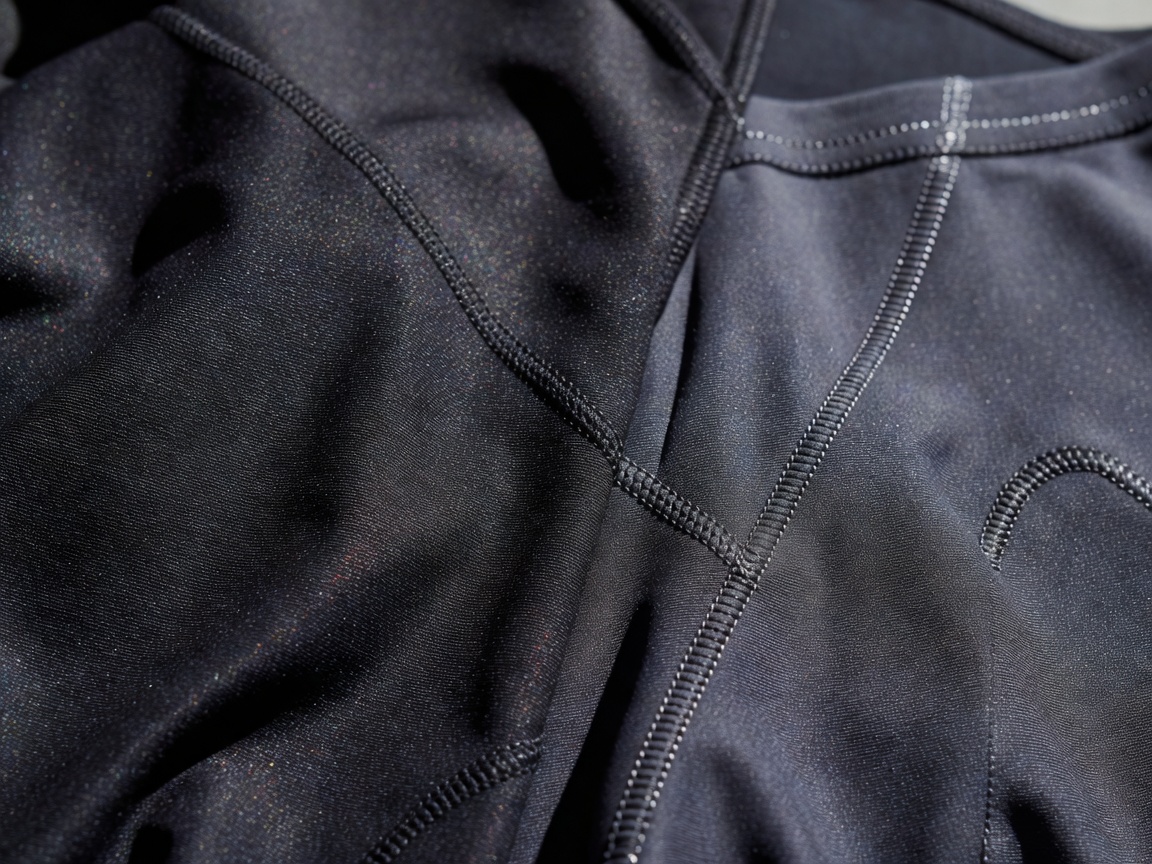
Small fit issues can become distracting as a ride continues. Check that seams, straps and bag contact points do not create pressure, and that essential items remain accessible without compromising control. Adjust only while stationary and in a safe location. Clean and inspect gear as its instructions require; replace damaged items rather than relying on an uncertain repair.
For clothing layers, continue to technical training apparel. Learn about materials and construction, or plan an all-purpose movement kit with training equipment.