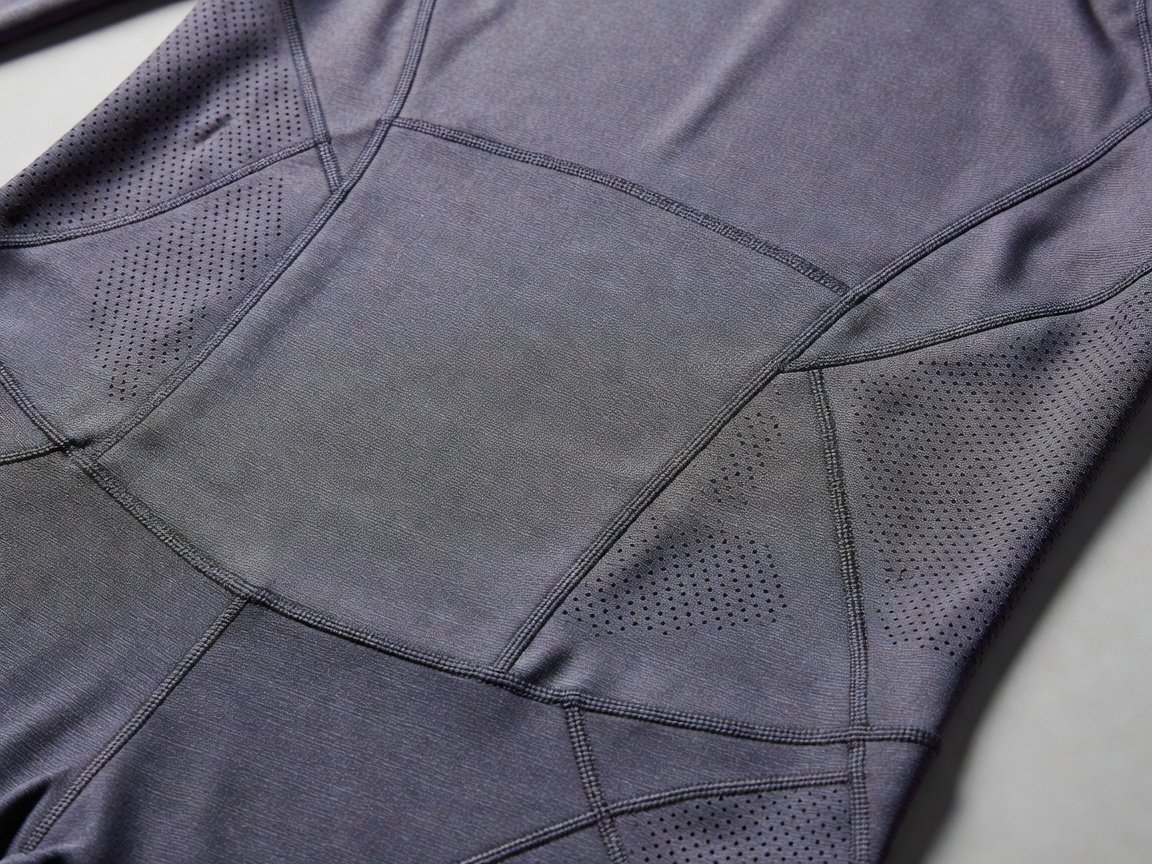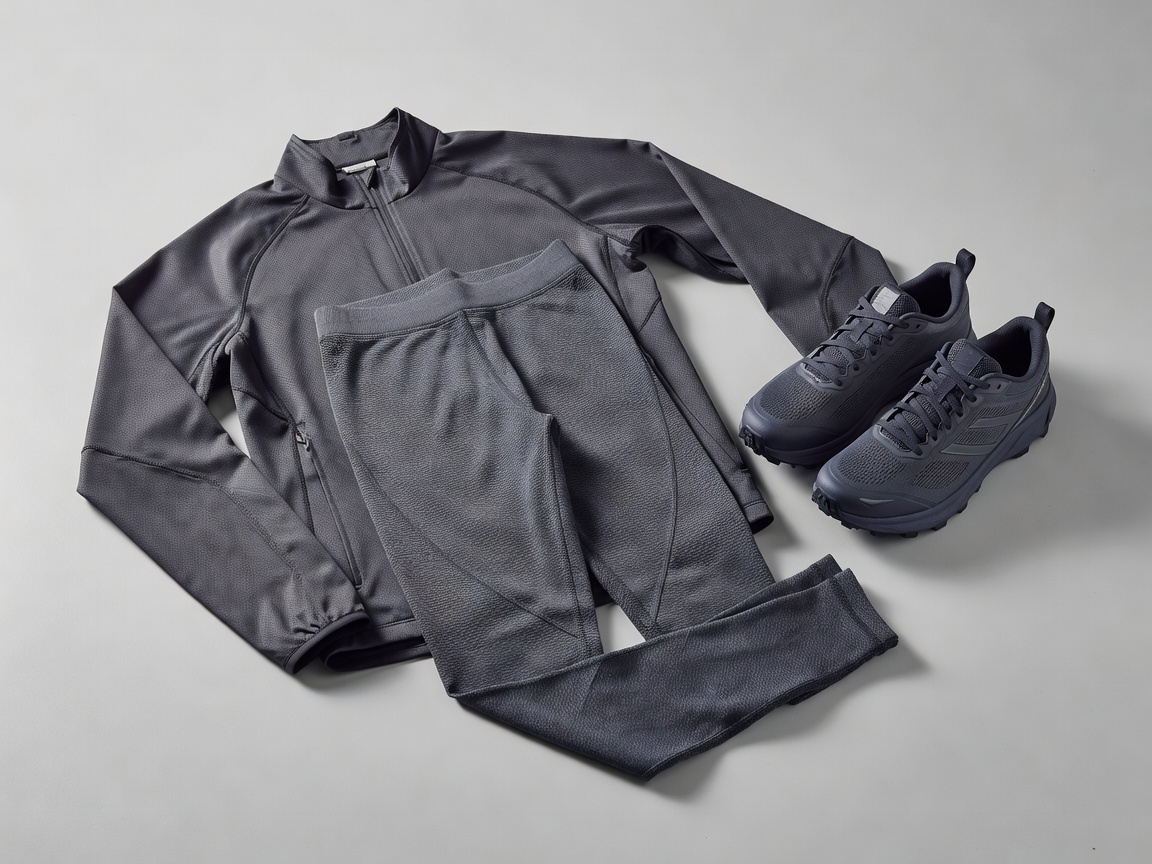
Training clothing is an interface between the body and its surroundings. A garment may need to move freely, vent heat, reduce wind exposure or sit comfortably under another layer. Those priorities change with the sport and environment. A light indoor strength session has different demands from an outdoor run in cool rain. Start by describing your own routine rather than searching for a single fabric that supposedly solves every condition.
Base layers and training tops
A base layer sits next to the skin. Some people prefer a close fit that limits fabric movement; others find a looser cut more comfortable. A training top can use a lightweight knit, ventilation panels or a more substantial fabric. Moisture transfer depends on fiber, yarn, knit structure, garment fit, activity intensity and the surrounding weather. A fabric cannot make sweat disappear; its construction influences how moisture spreads and dries.
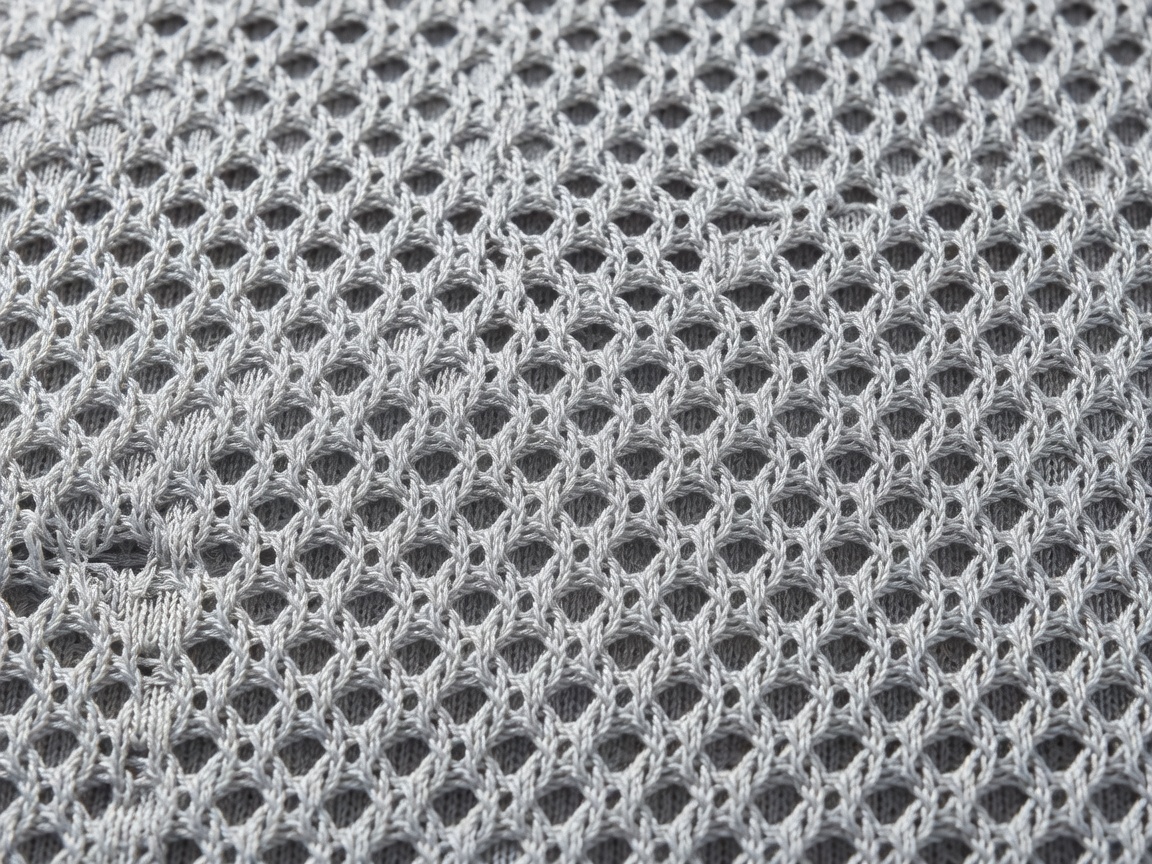
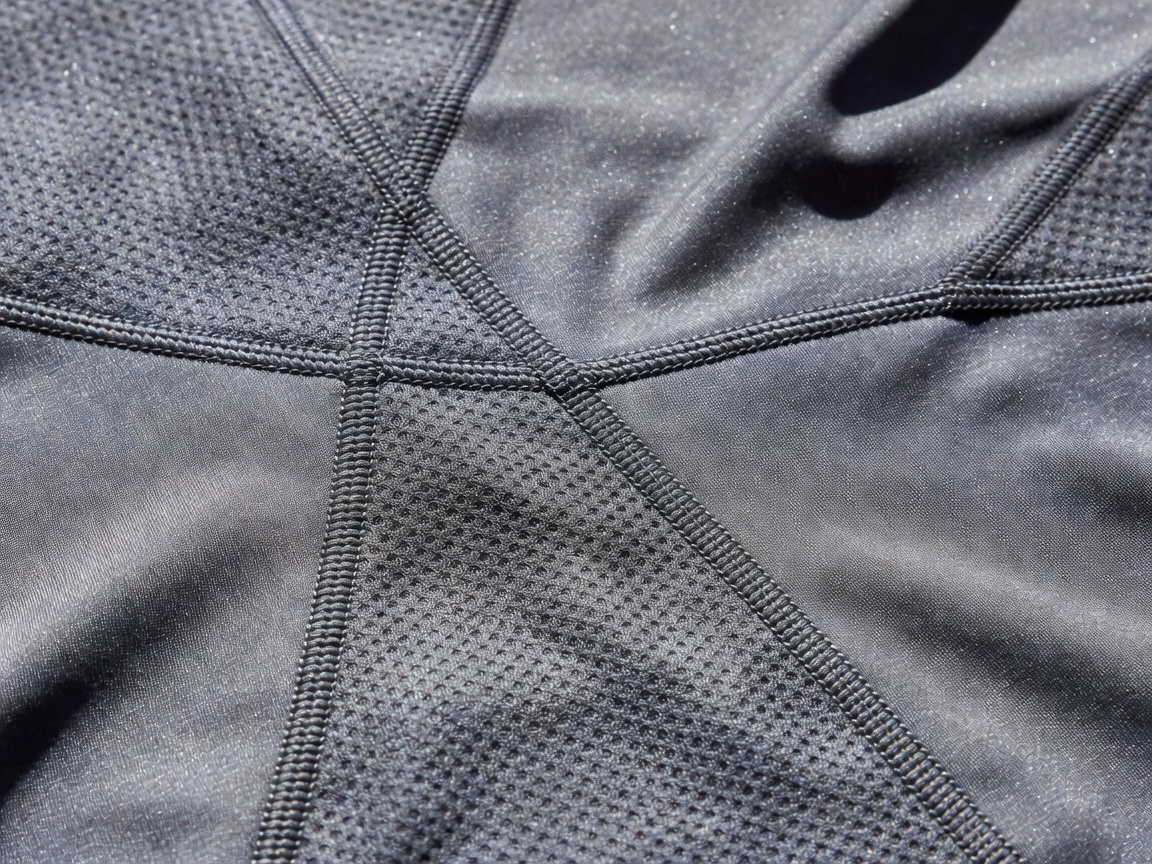
Mesh panels may improve airflow in selected areas, though open structures can feel less protective or snag more easily. Look at seam placement and label information, then consider how the top behaves during the movements you repeat. Raise your arms, rotate and bend when checking mobility.
Shorts, tights and stretch
Shorts vary in length, liner construction, waistband shape and pocket placement. Check whether a waistband stays comfortable while bending or running, and whether pockets hold what you actually carry. Tights offer more coverage and may suit cool conditions or personal preference; fabric weight and opacity vary, so assess the garment in suitable light and movement. Stretch blends can support a close fit, but the right amount of stretch is the amount that remains comfortable for your activity.
Compression-style garments are designed to fit snugly. Do not assume that compression guarantees better performance or health outcomes. Consider comfort, pressure, heat and ease of dressing. If a garment causes numbness, pain or persistent discomfort, stop using it and seek appropriate advice if needed.
Insulation, wind and rain
Layering lets you adjust coverage as conditions change. A light base layer can sit under an insulating mid-layer; an outer layer can reduce wind or rain exposure. Warmth and protection depend on fabric construction, closures, hood and cuff design, and how the layers fit together. Too-tight layers can restrict movement; excessively loose layers may flap or admit weather. Check that collars and cuffs do not rub and that the layers still work when you reach, cycle or carry a pack.
Wind-resistant clothing is not necessarily waterproof. Water-resistant treatments may shed light moisture for a time but can change with wear and laundering. If you need rain protection, read the maker's current description and care guidance; do not infer a performance rating from appearance alone.
Construction, seams and comfort
Flat seams can reduce bulk in some designs, but seam comfort is individual and depends on placement, thread, fit and movement. Labels, zips and pocket edges also matter where they meet the body or equipment. Try garments with the layers you plan to wear beneath them. A comfortable fit should allow the full movement of your sport without constant adjustment.
Choosing by condition
- Indoor or warm session: prioritize an unrestricted fit and ventilation you find comfortable.
- Cool outdoor training: consider adjustable layers rather than one heavy garment.
- Wind or rain: verify the intended protection and maintenance requirements.
- Repeated bending or reaching: check stretch, seam placement and hem movement.
- Long sessions: consider pocket access, chafing points and changing conditions.
Good for
This guide helps people build a small, adaptable kit for gym sessions, running, outdoor circuits or everyday movement. It is especially useful when comparing a lightweight top, tights or shorts, and a weather layer. Choose around real session conditions instead of buying a separate garment for every marketing category.
What to know
There is no universal “best” fabric. Performance depends on construction, fit, activity intensity, weather and individual comfort. Fabric claims and treatments vary, so review current garment information. We do not claim that specific apparel improves results or delivers health benefits.
Care and longevity
Follow the care label. Close fasteners before washing, separate rough items where practical, and avoid fabric softener if the manufacturer advises against it. Air-drying can reduce heat exposure. Repeated high-temperature drying, abrasive washing and harsh chemicals can affect some fabrics, elastics or finishes. Repair a small loose seam early when appropriate; retire garments that no longer fit safely or comfortably.
Explore material construction and care, or compare apparel with cycling clothing and equipment. For footwear layers in your kit, see our running-shoe guide.